


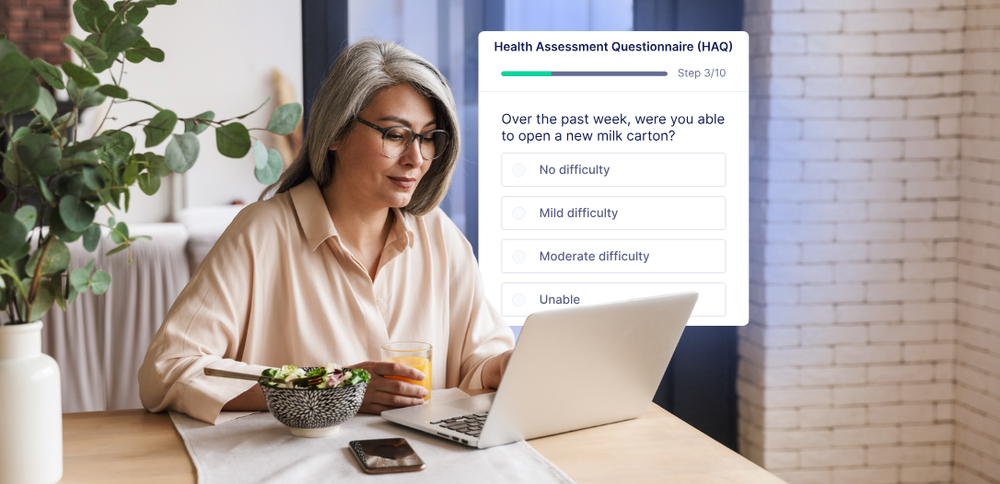
A thorough, precise patient intake process is a crucial part of safe and effective care delivery. What happens during this initial stage of contact ripples throughout the entire patient journey.
Mistakes or lapses during intake can lead to miscommunication, lost information, and delays in care. This can potentially result in medical errors, increased costs, and decreased trust in the healthcare system. Conversely, a well-managed intake process can expedite care delivery, foster stronger provider-patient relationships, and set a positive tone for the rest of the patient’s experience.
In modern healthcare settings, digital patient intake is what lets a clinic run intake well every time — automating the manual steps where errors, delays, and lost information tend to creep in. Below, we cover its six key benefits for medical practices, starting with how it reduces errors and improves patient safety.
1. Reduces Errors and Improves Patient Safety
A key purpose of patient intake is to ensure all necessary information is collected to facilitate safe care delivery. Any errors or omissions, such as incorrect allergy information or missing medications, place patients at increased risk of harm.
Digital patient intake software reduces medical errors and adverse events through:
- Real-time validation: The system flags missing required fields, incorrectly formatted information, or inconsistent entries before submission, preventing incomplete forms from reaching staff.
- Eliminated transcription errors: Patient information flows directly into the EMR without manual data entry, removing the error-prone process of staff transcribing handwritten forms.
- Minimized information updates: Known information automatically fills in from existing records, reducing the risk of incorrect changes being applied.
- Consistent data formatting: Standardized fields ensure personal information like phone numbers, dates of birth, and insurance details are captured in the same formats that integrate cleanly with practice management systems.
2. Alleviates Administrative Burden
Administrative tasks consume approximately half of healthcare workers’ time, pulling staff away from patient care and contributing to widespread burnout. Turnover of MOAs and support staff is also high, with repetitive tasks (such as those required for intake) cited as a primary driver of job dissatisfaction.
Digital intake reduces the contribution patient intake makes to that overall load through:
- Removed manual data entry: Information patients enter through digital forms flows directly into the practice management system and EMR, eliminating the time staff typically spend manually transcribing each paper form.
- Auto-populated intake forms: Through EMR syncs, digital patient intake software pre-fills many known details, reducing the volume of data staff need to keep collecting manually.
- Patient self-completion: Patients complete registration and intake forms from home or in the clinic, minimizing the amount of information staff need to gather directly.
- Streamlined insurance and payments: Time-consuming insurance and payment tasks are handled automatically, with staff notified only when manual intervention is required.
3. Improves Patient Experience
Traditional intake processes require patients to arrive early, spend 15–20 minutes completing forms manually, and wait while staff enter that information into systems by hand.
Well-designed digital intake solutions shift form completion from the waiting room to the patient’s home and replace phone-based workflows with direct digital communication channels.
Below are ways digital patient intake tools can improve patient experience:
- Convenient remote completion: Patients receive intake forms via email or text before their appointment, allowing them to complete information before arriving at the clinic.
- Reduced redundant data entry: Returning patients see pre-populated information and only need to confirm or update what has changed, rather than re-entering identical details at every visit.
- Shorter wait times: Pre-completed forms mean patients check in quickly upon arrival, reducing waiting room congestion and allowing appointments to start on time more consistently.
- Privacy for sensitive information: Patients complete medical history and personal health questions at home, rather than on clipboards, risking PHI exposure in crowded waiting rooms.
- Flexible completion options: For patients who prefer not to complete intake at home, in-office self-service kiosks provide digital alternatives to paper forms.
4. Increases Completion Rates
Completion rate represents the percentage of patients who complete all required pre-visit forms, document uploads, and payments. A high completion rate is directly related to a more efficient practice. When patients complete intake tasks before they arrive, staff save time, data is cleaner, and the risk of in-office delays significantly drops.
Digital patient intake platforms improve completion rates through intelligent design and automated follow-up:
- Real-time completion tracking: The system shows patients their progress and clearly indicates which sections remain unfinished, encouraging complete submission.
- Required field validation: Forms cannot be submitted until all mandatory fields are completed, eliminating the common problem of patients skipping questions or leaving sections blank.
- Automated reminders: Patients who have not completed intake forms receive automatic follow-up messages at set intervals before their appointment, prompting them to finish.
- Conditional logic: Smart forms show only relevant questions based on previous answers, reducing overall form length and making completion feel less burdensome.
- Progress saving: Patients can start intake forms, save their progress, and return later to complete them without losing previously entered information.
5. Enhances Patient Engagement and Retention
Modern healthcare stakeholders and consumers expect convenient, responsive, digital-first experiences, and surveys increasingly show they will switch providers if those expectations are not met. When the digital intake process is friendly, engaging, and well-designed, the clinic makes a strong first impression before the patient walks in the door.
Digital patient intake drives patient engagement, loyalty, and positive clinic reviews through:
- Two-way secure messaging: Patients can ask questions through secure messaging about their upcoming appointment or communicate non-urgent concerns without playing phone tag with staff.
- Accessible patient portal: A centralized dashboard gives patients visibility and control over their healthcare journey, including upcoming appointments and outstanding tasks.
- 24/7 booking: Patients can enter care at any time, reducing friction for new patients and encouraging them to choose your practice.
- Automated appointment workflow: Instant confirmations upon booking, followed by reminders, ensure patients arrive prepared and on time.
- Post-visit engagement: Automated delivery of post-visit summaries and follow-up questionnaires maintains connection beyond the appointment itself.
6. Boosts Financial Efficiency
A good patient intake system can significantly improve clinic efficiency by reducing the clinical and support staff resources consumed during intake and check-in. Several compounding factors drive measurable improvements in financial performance:
- Increased patient throughput: Reduced check-in times and more efficient workflows allow practices to see more patients without extending hours or adding appointment slots.
- Staff redeployment: Team members freed from repetitive administrative tasks can focus on higher-value work that improves outcomes and drives practice growth.
- Reduced no-shows: Automated reminders and proactive communication reduce no-shows and last-minute cancellations. In one published quality-improvement case study, no-shows and late cancellations fell from 3–7 a week to near zero after reminders and no-show fees were automated.
- Scalability without proportional staffing: Practices can increase the number of clinical providers without hiring additional front-office staff.
How Cortico Implements Digital Patient Intake
Cortico’s digital patient intake software automates up to 90% of intake tasks — from online booking and digital forms to payment processing and document triaging. Real-time validation eliminates errors before submission. AI-powered tools automatically route referrals and lab work into the EMR. Patients complete everything on any device with no app required.
Practices using Cortico consistently report dramatic reductions in no-shows, lower documentation errors, hours saved every day on data entry, and improved patient satisfaction. What’s more, decreased administrative overheads and increased clinical capacity improve profitability.
We’re so confident you’ll see results from Cortico that we guarantee a positive ROI (as discussed in your onboarding), or your fees are waived until we deliver.
To see how Cortico works in your specific clinic setup, book a demo today.
