


Juno EMR uses a single login portal for every clinic: login.junoemr.com. Unlike some Oscar-based systems that split into separate variants with separate login pages (see our OSCAR EMR login guide if that’s what you’re actually running), Juno EMR clinics all sign in through the same domain: you just need your clinic’s Practice ID, username, and password, plus a short passcode.
Bookmark it once and you won’t need to search for it again:
- Juno EMR login: login.junoemr.com
- Juno support: [email protected] or 1-888-686-8560, ext. 1 (Mon–Fri, 5am–5pm PST)
- Juno help portal: help.junoemr.com - support articles live under
/support/solutions
If your clinic’s login page looks different, that’s expected: Juno gives each clinic its own clinic-specific login link (which pre-fills your Practice ID), separate from the general login page at login.junoemr.com (where you type the Practice ID in yourself). Both live under the same login.junoemr.com domain. Juno’s help portal doesn’t document a fully custom subdomain per clinic, so if your bookmark ever changes, the general login page always works as a fallback.
Logging in to Juno EMR: what to expect
Juno EMR asks for four things at every login: your Practice ID, username, password, and a second-level passcode, a numeric PIN of at least 4 digits set by your clinic administrator rather than an authenticator app. This isn’t an optional or clinic-level toggle; Juno requires the passcode for every user on every login. Keep it somewhere you can find it along with your password.
A few habits that keep your account and your patients’ records secure:
- Never share your login. Every action in Juno is tied to a user account for audit and compliance reasons.
- Log out or lock your screen whenever you step away from a shared clinic computer.
- Use a password manager instead of retyping or reusing passwords across systems.
- If you’re a new hire, ask your clinic administrator to set up your account rather than logging in under someone else’s credentials. This matters for both security and Juno’s own audit trail.
When login goes wrong
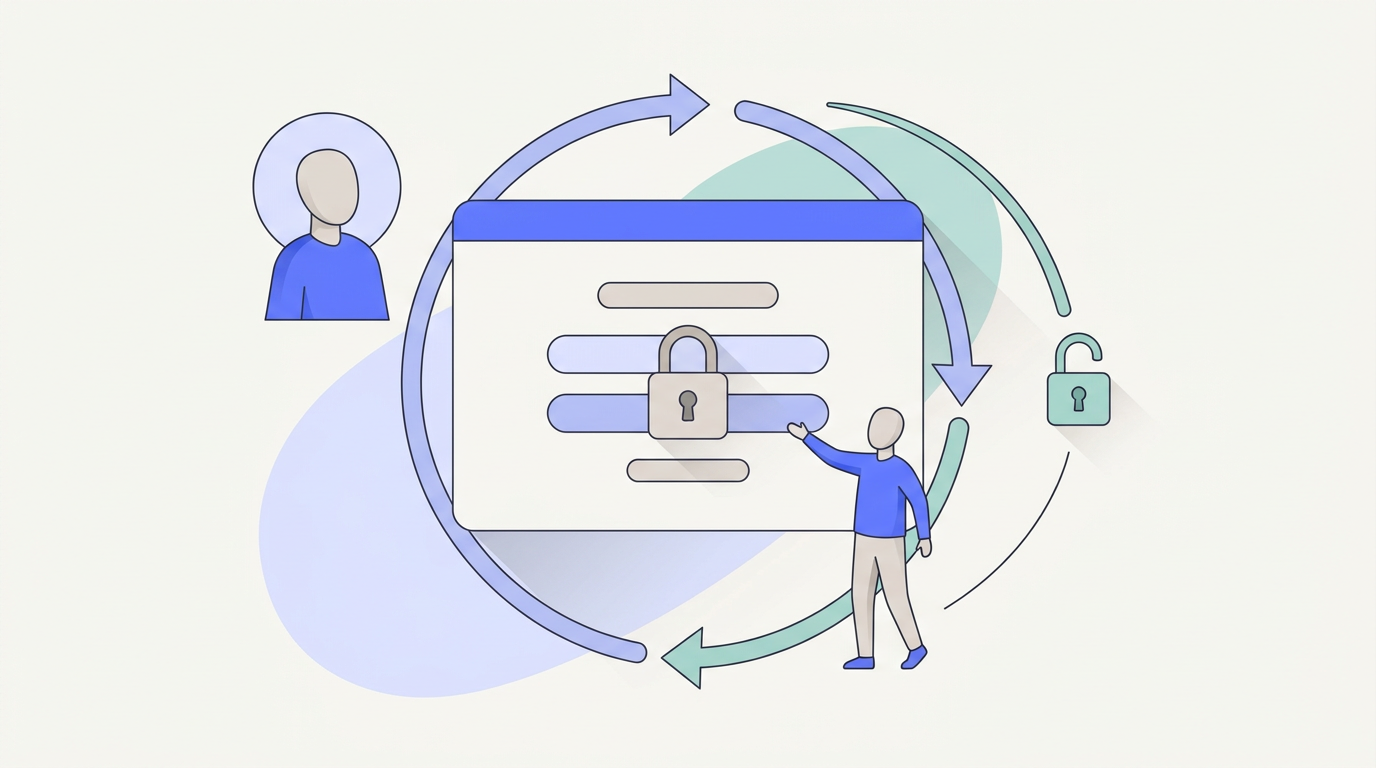
Most Juno login problems come down to one of three things: a forgotten password, a forgotten passcode, or a locked account. None of these are unusual, and Juno’s own troubleshooting article routes all three the same way: check your basics, then go to your clinic administrator.
Forgotten password or passcode. There’s no self-serve “forgot password” link on login.junoemr.com. Juno’s support portal walks through basics first: check Caps Lock (usernames and passwords are case-sensitive), make sure you’re entering all four fields (Practice ID, username, password, passcode), and confirm your password meets the minimum (8+ characters, at least 3 of: uppercase, lowercase, numbers, special characters). If that doesn’t fix it, the documented next step is your clinic administrator, not Juno support directly. Admins can reset a user’s username, password, or passcode from inside Juno’s own user-management screen, or force a password reset on next login. Only escalate to Juno support ([email protected] or 1-888-686-8560 ext. 1) if your clinic doesn’t have an available administrator.
Locked account. Repeated failed login attempts can lock an account as a security measure. A clinic administrator can review the Security Log (which shows exactly why a login failed: wrong PIN, wrong password, or unknown username) and unlock or reset the account directly, without waiting on Juno support.
Support hours. Juno’s support team is available Monday–Friday, 5am–5pm PST (6am–6pm MST, 8am–8pm EST), closed on statutory holidays and weekends. The same number (1-888-686-8560, ext. 1) also reaches an after-hours emergency line outside those hours.
Admin and user management basics
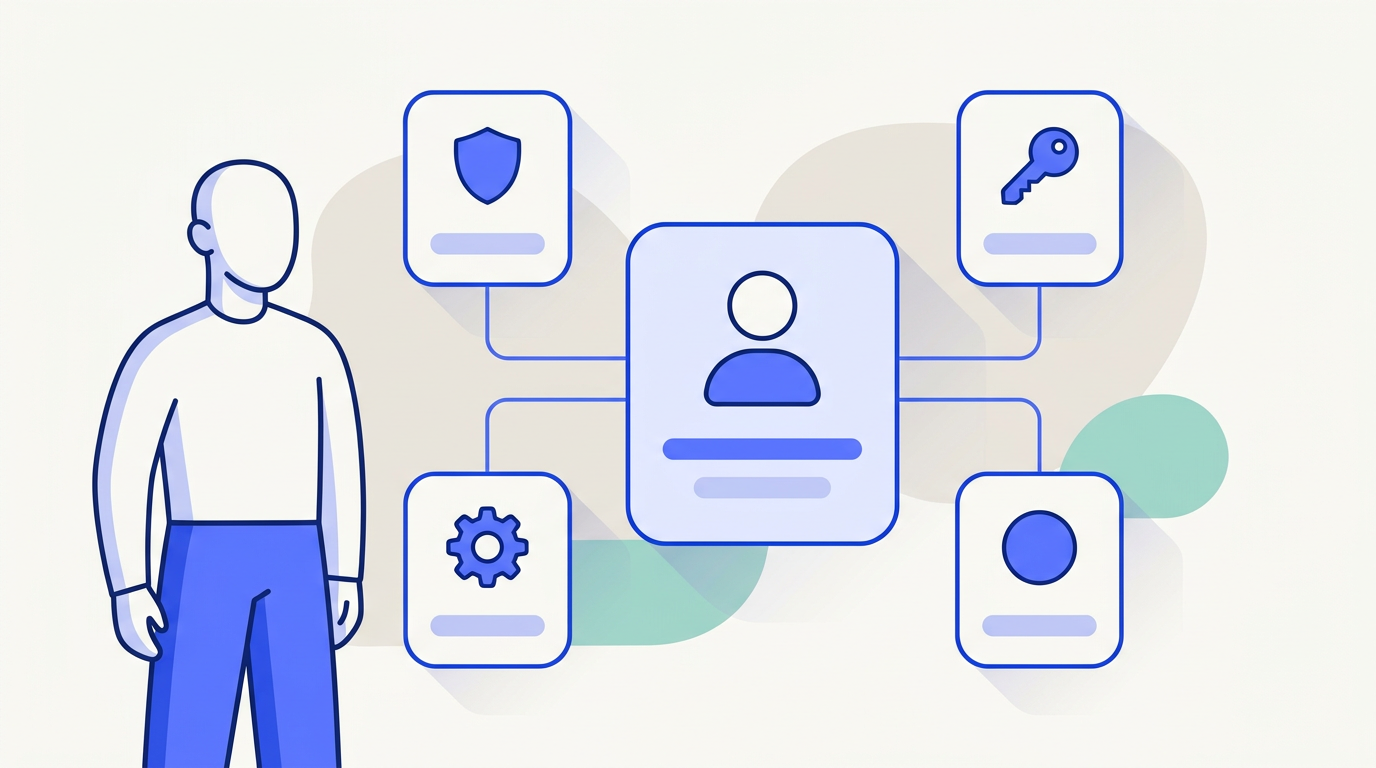
Every Juno clinic has at least one administrator account that can add new staff, deactivate departing staff, and reset other users’ passwords or locked accounts without waiting on Juno’s support team. This matches Juno’s own admin documentation: from the “Search/Edit/Delete Security Records” screen under User Management, an admin can reset a user’s username, password, or second-level passcode, or flip on “Force password reset” so the user sets new credentials at next login. The same screen’s Security Log Report shows exactly why a login failed (wrong passcode, wrong password, or an unrecognized username), which is usually enough to diagnose the problem without a support call.
Good practice for clinic admins:
- Deactivate (don’t just stop using) accounts for staff who leave, because an active login for someone no longer at the clinic is both a security and compliance risk.
- Review user roles periodically, especially after a change in EMR vendor contact or practice ownership.
- Keep at least two people at the clinic with admin access, so a single person being unavailable doesn’t block a password reset or new hire from getting into the system.
If your clinic doesn’t have a designated Juno administrator, or no one remembers who has admin access, Juno support can help you sort out account ownership. Start with [email protected].
Related Juno EMR resources
- OSCAR EMR login guide - if your clinic actually runs one of the Oscar-based variants (OSCAR Pro, OpenOSP) rather than Juno
- Cortico EMR compatibility guide
Want to cut down the repetitive admin work in your Juno EMR clinic? See how Cortico for clinics works. Cortico is a COMPLETE-tier integration with Juno EMR: it connects to your existing Juno schedule rather than replacing it, so online booking, appointment reminders, and patient intake sync directly with your Juno chart instead of creating a second system your front desk has to double-enter into. Cortico works as a browser plug-in alongside your EMR, so staff keep working in Juno. Book a demo to see it running against a Juno-like schedule.
The honest trade-off: Cortico is a separate vendor on top of Juno. For most clinics that’s a smaller commitment than switching EMRs, but it’s still a relationship to manage, not free magic.
Related Cortico features
- Online booking - patients book 24/7, pulled from your live Juno availability
- Appointment reminders - automated email and SMS reminders to cut no-shows
- Patient intake - digital intake forms that sync to the Juno chart
- Video appointments - join virtual visits without leaving your EMR workflow
